Fresh Fish Water Species
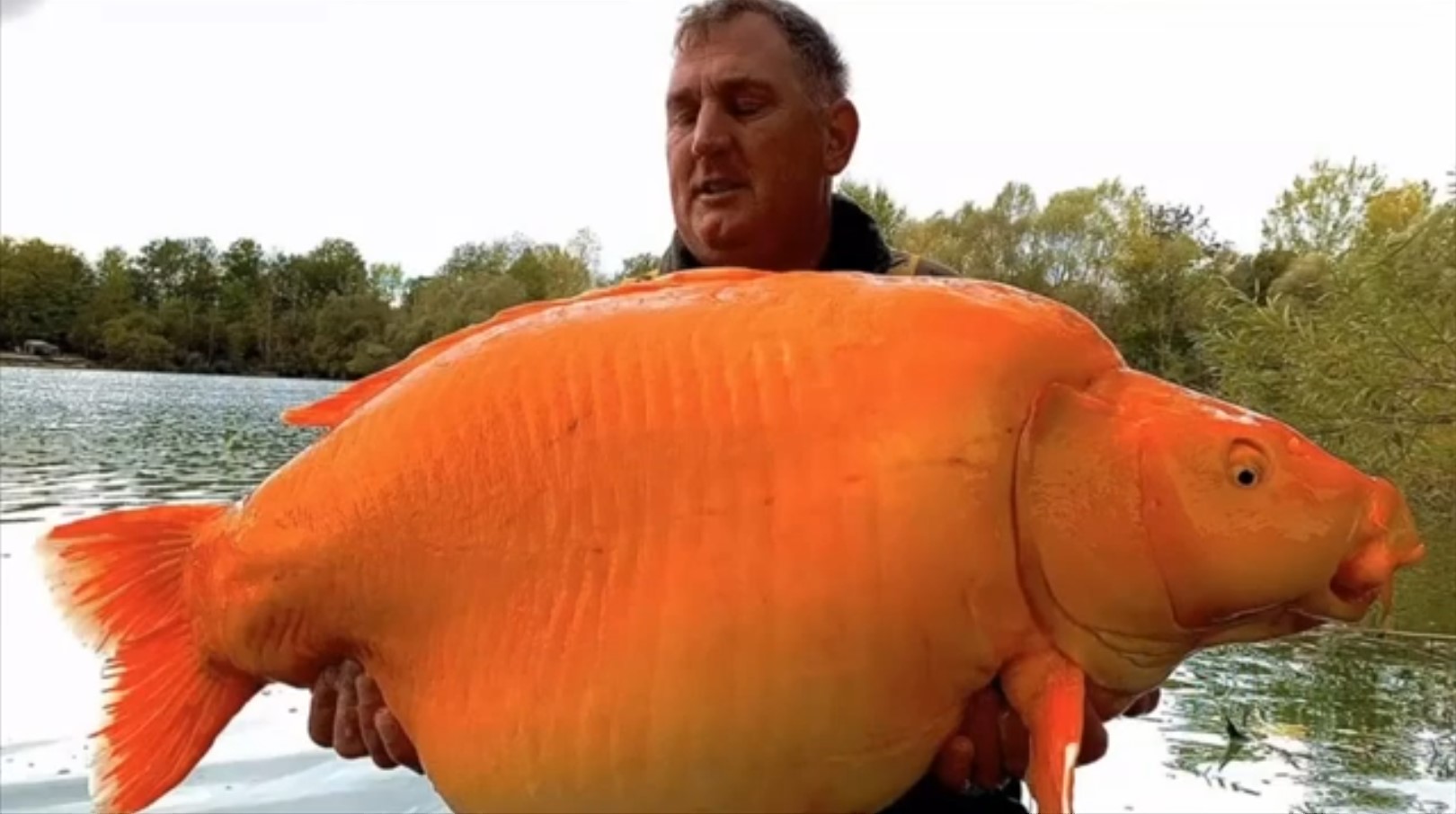
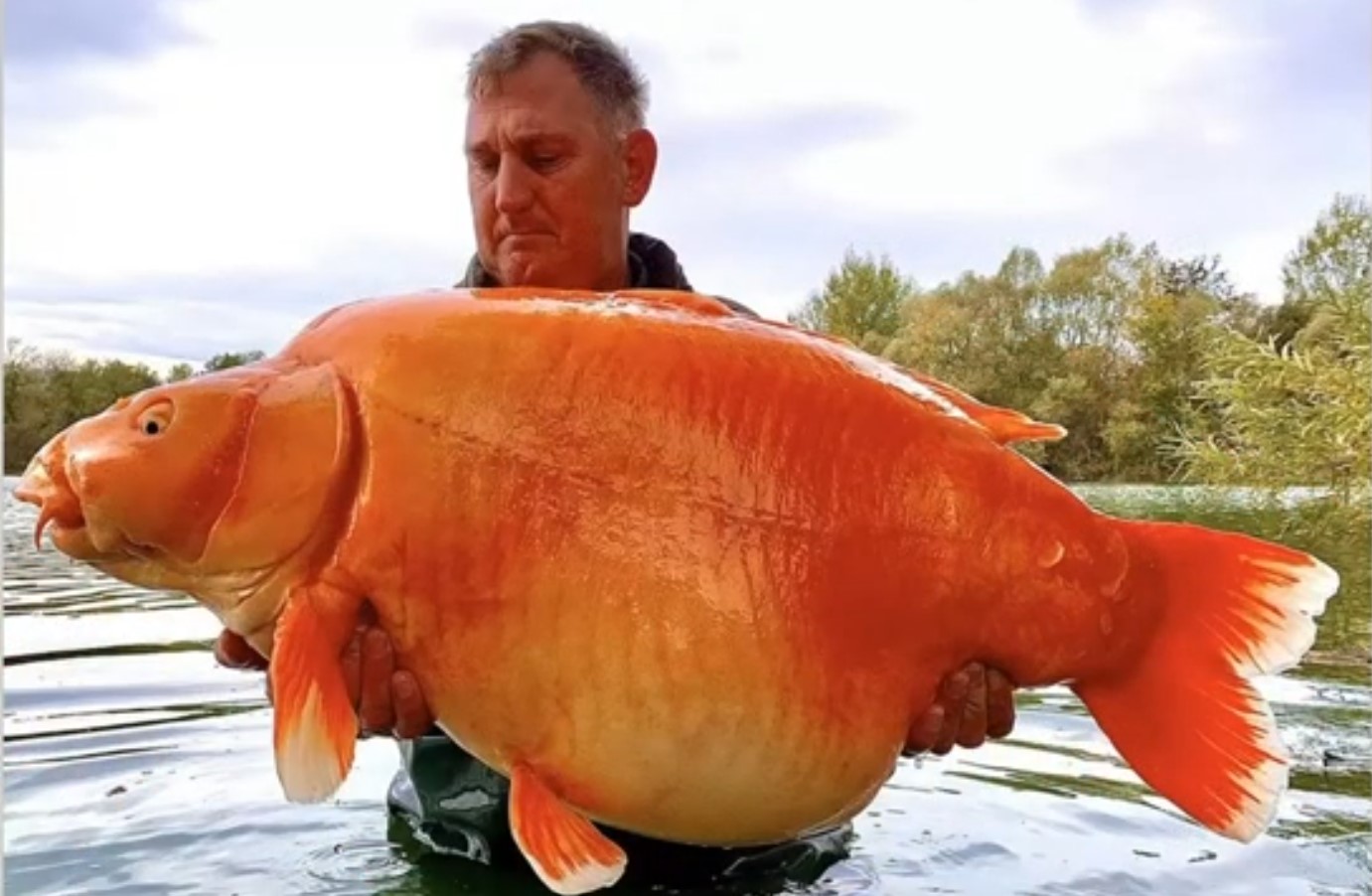
Biggest Gold Fish
1. Size: Big goldfish can grow significantly larger than their smaller counterparts. While the average size of a common goldfish is around 6-8 inches (15-20 cm), big goldfish can reach lengths of up to 10-12 inches (25-30 cm) or even larger in some cases. 2. Lifespan: Goldfish, including big goldfish, have the potential to live for quite a long time. Under optimal conditions and with proper care, they can live up to 20 years or more. 3. Appearance: The big goldfish shares similar physical characteristics to the common goldfish. These fish typically have a streamlined body shape, vibrant coloration, and flowing fins. However, the specific appearance can vary greatly depending on the individual fish and the different varieties of big goldfish available, such as the Comet, Shubunkin, or Fantail. 4. Diet: Goldfish are omnivorous, which means they consume both plant matter and small aquatic organisms. A balanced diet for big goldfish typically consists of high-quality commercial goldfish pellets, flakes, or granules. They can also be supplemented with fresh or blanched vegetables, such as peas, lettuce, spinach, or cucumber.
5. Tank Requirements: Due to their larger size, big goldfish require a spacious aquarium to thrive. A tank size of at least 30 gallons is recommended for a single adult goldfish, with additional volume for each additional fish. They also need a filtration system to maintain water quality, as they produce a significant amount of waste. 6. Water Parameters: Goldfish are cold-water fish and can tolerate a wide range of temperatures. The ideal water temperature for big goldfish is typically between 65-75°F (18-24°C). Regular water testing and maintenance are essential to ensure proper water quality. 7. Compatibility: Goldfish are generally peaceful and can be kept with other goldfish or larger, non-aggressive fish species. However, it's important to avoid mixing them with small, fin-nipping fish or species prone to aggressive behavior. 8. Tank Decorations: Big goldfish appreciate a well-decorated aquarium with plenty of hiding places and ample swimming space. Adding live or artificial plants, rocks, driftwood, and other suitable decorations can create a more natural and enriching environment for them. 9. Health Concerns: Goldfish, including big goldfish, are susceptible to various health issues, including swim bladder problems, fin rot, fungal infections, and parasites. Regular observation, proper feeding, water quality management, and prompt action in case of any signs of illness are crucial for maintaining their well-being.
Under Water Spider
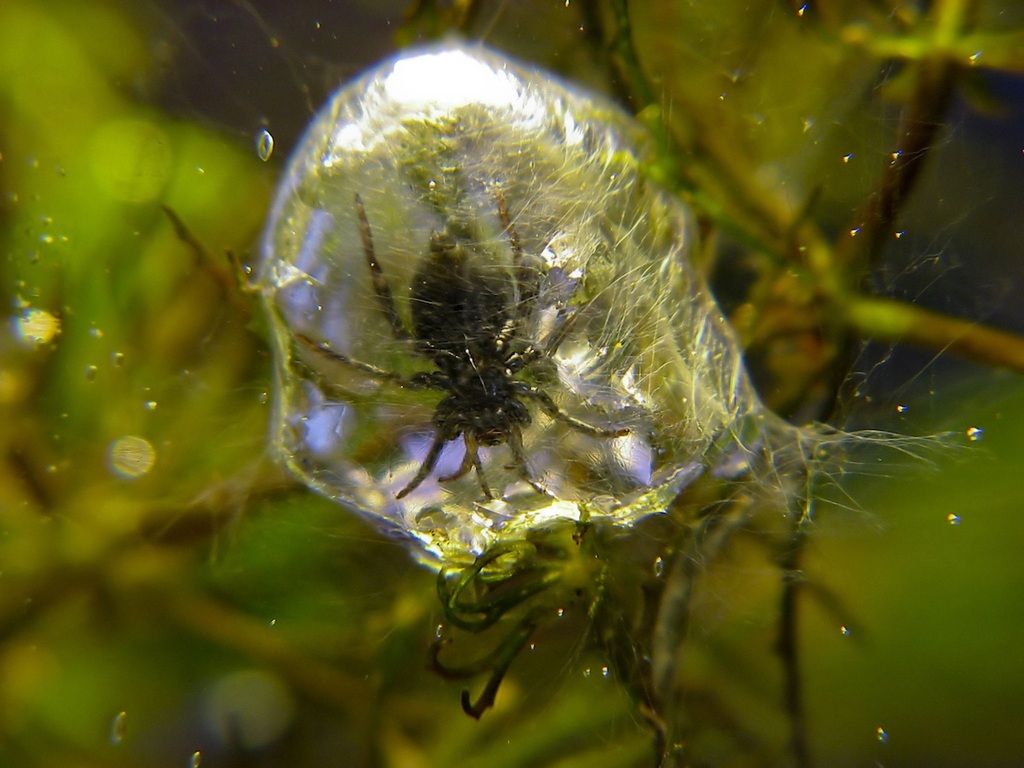
The Diving Bell
1. Habitat: Diving bell spiders are found in Europe and parts of Asia, primarily in freshwater habitats such as ponds, slow-moving streams, and marshes. They prefer calm waters with dense vegetation. 2. Appearance: These spiders are relatively small, with females measuring around 15 mm in body length and males being slightly smaller. They have a dark brown or black coloration, which helps them blend in with their surroundings. 3. Adaptations: T...