The Most Dangerous Festival
Ombashira
The Ombashira festival is a traditional event that takes place every six years in the Suwa region of Nagano Prefecture, Japan. It is considered one of the most unique and dangerous festivals in the country.
1. Purpose: The Ombashira festival is held to renew the four shrines of the Suwa Grand Shrine, which are dedicated to the gods of agriculture, water, and war. The festival aims to ensure the stability and prosperity of the region. 2. Duration: The festival lasts for approximately one month, with various rituals and ceremonies taking place throughout the period. 3. Preparation: The festival requires extensive preparation, starting several years in advance. The key highlight of the festival is the replacement of massive wooden pillars, called Ombashira, which support the main buildings of the shrines. 4. Cutting and Transporting Ombashira: In the year leading up to the festival, hundreds of skilled workers gather in the nearby mountains to cut down massive fir trees, which are then transported downhill using traditional methods such as sliding and rolling. The Ombashira pillars can reach up to 17 meters in length and weigh several tons. 5. Pillar Raising Ceremony: The climax of the festival is the pillar raising ceremony, where the old pillars are replaced with the newly cut ones. This process involves lifting the heavy pillars using ropes and manpower, without the use of modern machinery or tools.
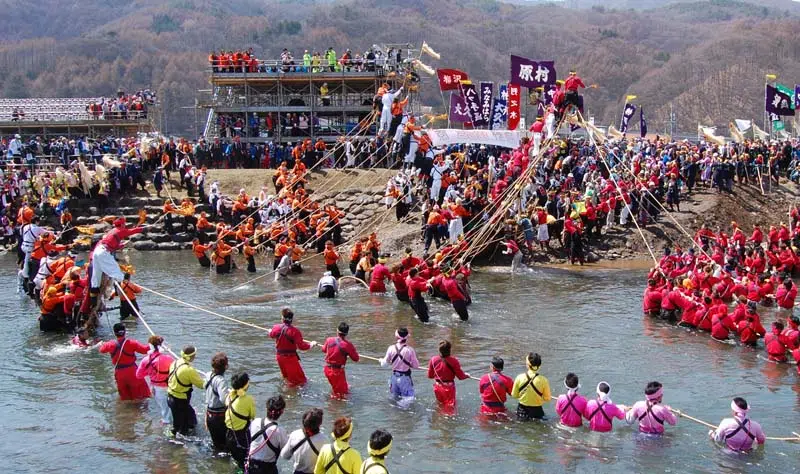
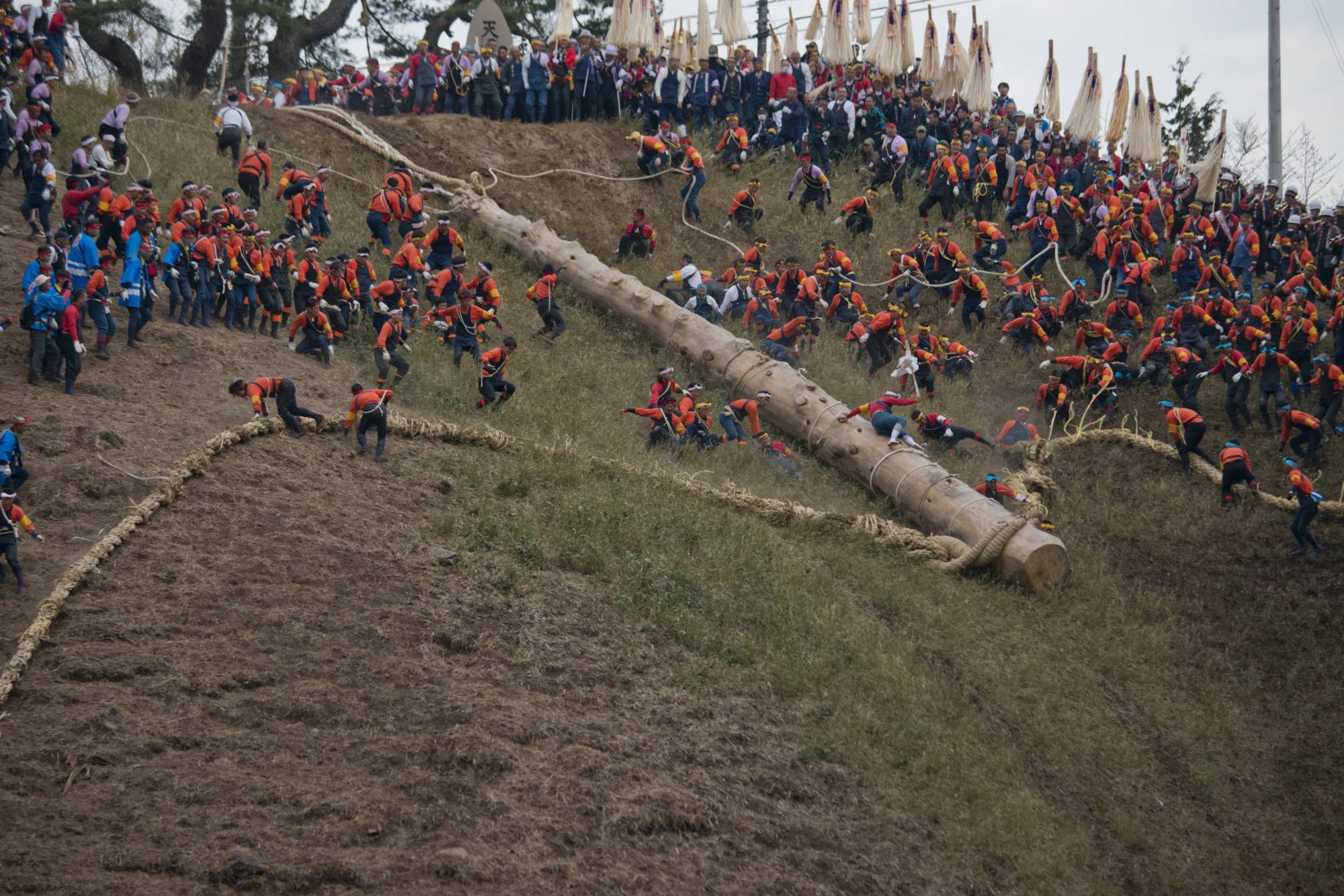
6. Danger and Tradition: The Ombashira festival is known for its dangerous nature, as participants risk their lives during the pillar raising ceremony. It is believed that those who participate in the dangerous tasks will be blessed with good fortune. 7. Rituals and Performances: Alongside the pillar raising ceremony, various rituals and performances are held during the festival. These include traditional dances, music performances, processions, and offerings to the deities. 8. Attendance: The Ombashira festival attracts thousands of visitors from Japan and around the world. It is an opportunity for locals to showcase their cultural heritage and for tourists to witness a unique and ancient tradition. 9. Cultural Significance: The Ombashira festival has been designated as an intangible cultural heritage by the Japanese government. It holds great importance in preserving the traditional skills, craftsmanship, and spiritual beliefs of the Suwa region. 10. Historical Background: The festival has its roots in ancient Shinto rituals and has been celebrated for over 1200 years. It is believed to have originated as a way to ensure the safety and stability of the shrines and the surrounding community.
The Devil's Trap
La Trappola del Diavolo
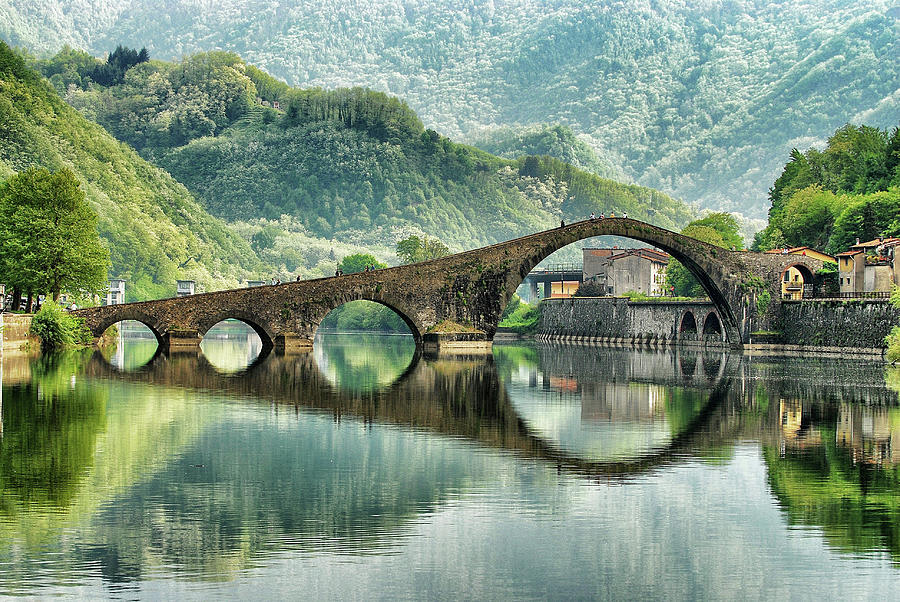
The Devil's Trap, also known as "La Trappola del Diavolo" in Italian, is a mysterious and intriguing location located in the woods near the town of Borgo a Mozzano in Tuscany, Italy. The Devil's Trap is an arched stone bridge that spans the Serchio River. Built in the 11th century, it is known for its unique construction and architectural style. The bridge is characterized by its pointed arches, irregular stonework, and a small chapel dedicated to Saint Anthony located on one of its sides. Legend has it that the bridge was built with the he...