Near Death Experience
Pam Reynolds Lowery
1. Context: Pam Reynolds underwent a surgical procedure known as a "standstill" operation. This operation involves lowering the patient's body temperature to induce clinical death, stopping the heart and brain activity. The blood is redirected from the brain, providing a bloodless operating field for complex procedures. 2. Surgical Process: During the operation, Pam's body temperature was lowered to 60 degrees Fahrenheit (15.6 degrees Celsius), her heart and breathing were stopped, and her brain activity completely ceased. She was effectively clinically dead. 3. OBE Experience: Pam reported having a vivid out-of-body experience that involved a sense of floating above her body and observing the surgical procedures. She reported being able to see and hear specific details, such as the appearance of the surgical instruments and the conversation among the medical staff.


4. Verification of OBE: Remarkably, Pam was able to provide accurate details about the surgical instruments and her surroundings that were completely unknown to her during the surgery. For example, she described the appearance of a bone saw used by the surgeon as well as conversations that occurred during the procedure. 5. Brain Activity Monitoring: During the operation, Pam's brain activity was monitored using various methods, including electroencephalography (EEG) and somatosensory-evoked potentials (SSEPs). These recordings indicated a complete absence of brain activity during her OBE, making it unlikely that her experiences were the result of any brain processes. 6. Scientific Explanation: Some researchers have proposed that Pam's OBE may have been a result of a "dying brain" phenomenon, suggesting that the brain may generate such experiences as a coping mechanism during life-threatening situations. However, the exact mechanism behind OBEs and their relation to brain activity remains a topic of ongoing debate in the scientific community.
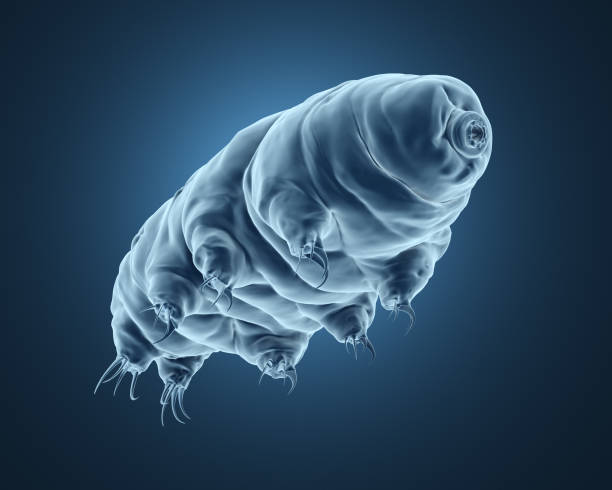
Water Bears Or Moss Piglets
Tardigrades
1. Microscopic Size: Tardigrades are among the most resilient creatures on Earth despite being incredibly small. They typically range in size from 0.1 to 1.5 millimeters, making them visible only under a microscope. 2. Habitat: Tardigrades inhabit a wide range of environments across the globe, including damp soil, mosses, lichens, leaf litter, and freshwater habitats. They can even be found in the Antarctic, deep-sea sediments, mountaintops, and hot springs. 3. Anatomy: Tardigrades have a bilaterally symmetrical body with four p...