100% Hunting Success Rate
Dragon Files
1. Anatomy: Dragonflies have a long, slender body with two pairs of wings and large compound eyes that provide excellent vision. They have six legs, but they cannot walk well and primarily use them for perching. 2. Size: Dragonflies come in various sizes, ranging from small species measuring around 1 inch (2.5 cm) to larger ones with a wingspan of up to 5 inches (12.7 cm). 3. Habitat: Dragonflies are found worldwide, except in extreme polar regions. They inhabit diverse environments such as ponds, lakes, rivers, streams, and even temporary water bodies. They are often seen near water bodies due to their aquatic larval stage. 4. Life cycle: Dragonflies undergo incomplete metamorphosis, consisting of three stages: egg, nymph (larva), and adult. The eggs are usually laid in or near water, and once hatched, the nymphs live underwater for several months to years, feeding on other aquatic organisms. After molting several times, they emerge from the water as winged adults. 5. Flight: Dragonflies are incredibly agile fliers and can fly in all directions, including backward and sideways. They have the ability to hover in mid-air as well as fly at high speeds, reaching up to 30 miles per hour (48 km/h).
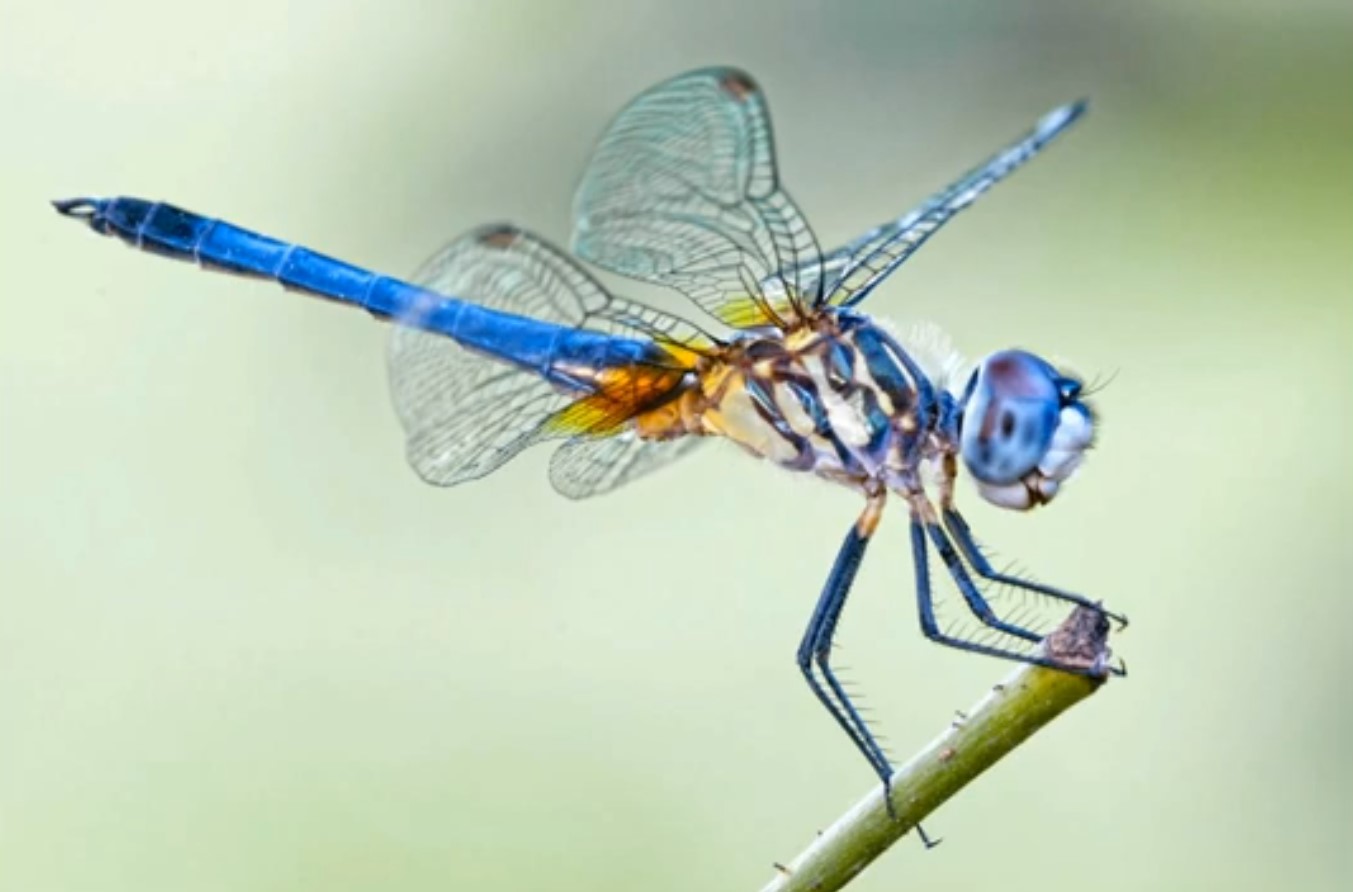
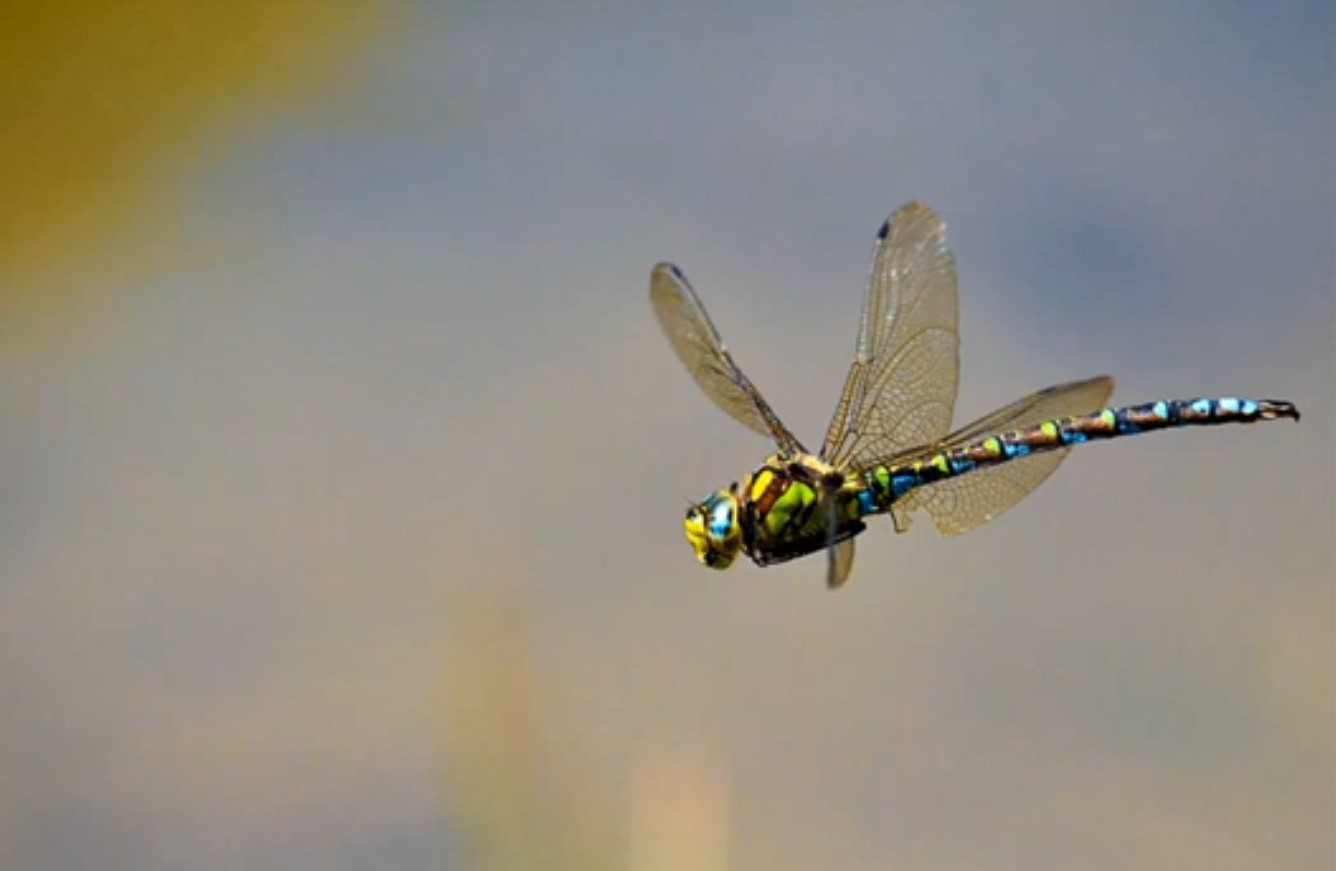
6. Diet: Adult dragonflies are voracious predators and primarily feed on other insects such as mosquitoes, flies, bees, and butterflies. They catch their prey mid-air using their strong jaws and consume them while flying. 7. Lifespan: The lifespan of a dragonfly varies between species but typically ranges from a few weeks to a few months. Some larger species may live for up to a year. 8. Coloration: Dragonflies exhibit a wide range of colors, including metallic blues, greens, reds, and yellows. These vibrant colors are often used for mating displays and territorial defense. 9. Predators and defense: Dragonflies have few natural predators due to their exceptional flight abilities. However, birds, larger insects, frogs, and fish may prey on them. Dragonflies employ various defense mechanisms like swift flight, camouflage, and agility to evade predators. 10. Ecological importance: Dragonflies play a crucial role in ecosystems as both predators and prey. They help control populations of nuisance insects like mosquitoes, which can transmit diseases to humans. Additionally, dragonfly nymphs serve as important indicators of water quality as they are sensitive to pollution.
Refrain From Working
On Sunday (First Stage)
When you read Revelation 18:1-4 it says "And after these things I saw another angel come down from heaven, having great power ; and the earth was lightened with his glory. And he cried mightily with a strong voice, saying, Babylon the great is fallen, is fallen, and is become the habitation of devils, and the hold of every foul spirit, and a cage of every unclean and hateful bird. For all nations have drunk of the wine of the wrath of her fornication, and the kings of the earth have committed fornication with her, and the merchants of the earth are waxed rich through the abundance of her delicacies. And I heard another voice from heaven, saying, Come out of her, my people, that ye be n...