The Black Death
Deadiliest Plague
The bubonic plague, also known as the Black Death, was one of the most devastating pandemics in human history.
1. Historical Background: The bubonic plague first emerged in the 14th century in Central Asia and spread rapidly along trade routes, reaching Europe in 1347. It is believed to have originated from fleas that infested rats. 2. Causal Agent: The bubonic plague is caused by the bacterium Yersinia pestis, which is primarily spread through fleas that infest certain rodents, such as rats. Humans can contract the disease when bitten by infected fleas or by handling infected animals. 3. Mode of Transmission: The bacteria enter the human body through the bite of an infected flea or through contact with bodily fluids or tissues of infected animals or humans. It can also be transmitted through respiratory droplets when a person with pneumonic plague coughs or sneezes. 4. Symptoms: The most common symptoms of bubonic plague include swollen and painful lymph nodes (buboes) in the groin, armpit, or neck. Other symptoms include fever, chills, headache, fatigue, and muscle aches. In some cases, the infection can spread to the lungs, causing pneumonic plague, which is highly contagious and often fatal if untreated. 5. Mortality Rate: The mortality rate of the bubonic plague varied throughout history and geographic regions. During the 14th century outbreak in Europe, mortality rates ranged from 30% to 75%. However, with modern antibiotics, the survival rate has significantly improved.
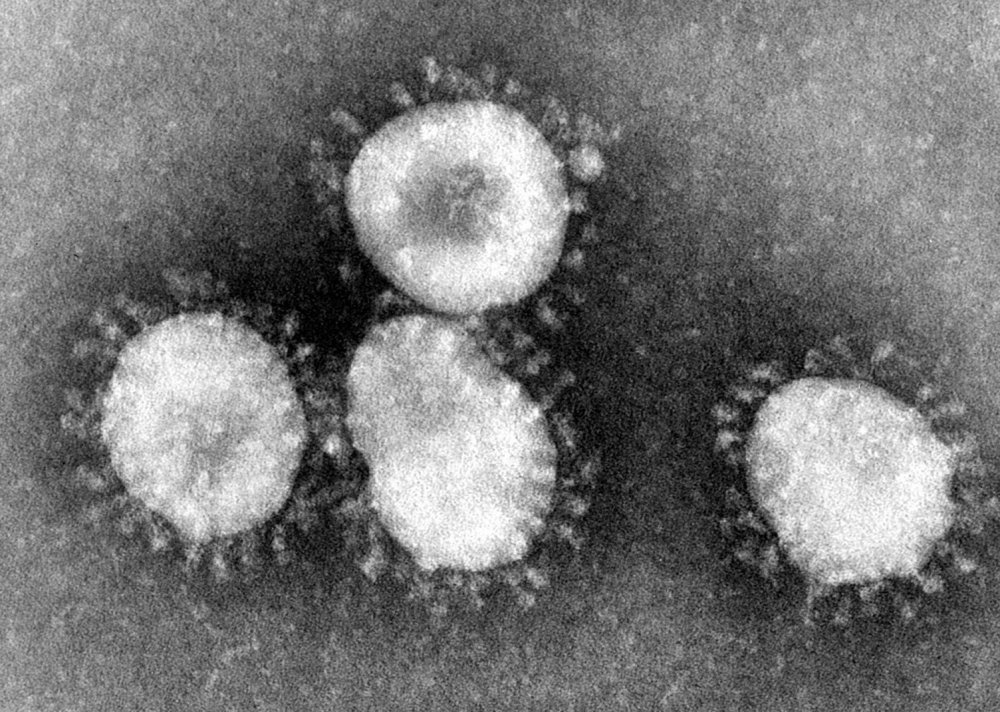
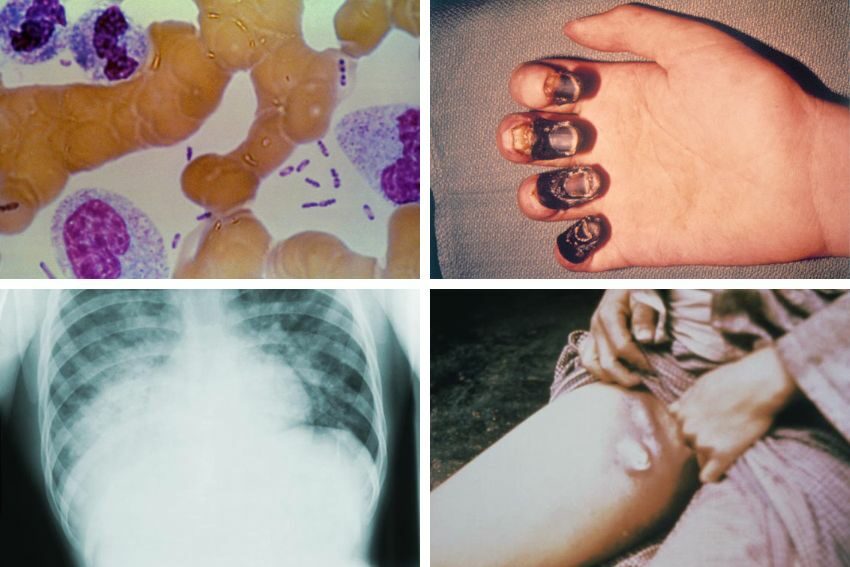
6. Impact on Society: The bubonic plague had a profound impact on medieval Europe, resulting in the deaths of an estimated 25 to 60% of the population. The massive loss of life had far-reaching social, economic, and political consequences, leading to labor shortages, economic decline, and changes in power dynamics. 7. Modern Cases: While the bubonic plague is rare today, sporadic outbreaks still occur. Madagascar has experienced periodic outbreaks since the 1980s. Additionally, cases have been reported in other parts of the world, including the United States, China, and India. 8. Treatment and Prevention: Early diagnosis and treatment with antibiotics such as streptomycin or doxycycline are effective in treating the bubonic plague. Preventive measures include avoiding contact with wild rodents and their fleas, implementing rodent control measures, and using insect repellent when in areas with possible vector exposure. The bubonic plague remains a significant historical event that profoundly impacted human civilization.
Mark of the Beast
Where? Hand Or Forehead Part 1
Millions of people will be lost in the last days because they don't know about this subject that Revelation !3 says that the beast will place a mark on the hand or the forehead. Some Bible translations say that they will receive a tatoo because it is connected with buying and selling. Media think that it will be a barcode, credit card or RFID implants. 666 is not the mark of the beast, it is used to identify a man. Revelation 13:15-16 NKJV says And he had power to give life unto the image of the beast, that the image of the beast s...