Longest Solo Survival At Sea
Jose Salvador Alvarenga
1. Early Life: Alvarenga was born on February 7, 1975, in Garita Palmera, Ahuachapán, El Salvador. He grew up in a fishing village and began working as a fisherman at a young age. 2. Fishing Experience: Alvarenga had over 15 years of experience as a fisherman and worked on various fishing boats in Mexico and other countries in Central America. 3. The Journey: In November 2012, Alvarenga set off on a fishing trip with a companion named Ezequiel Cordoba from Mexico's Pacific coast. However, their small boat was caught in a storm, and they lost all communication and navigation equipment. 4. Survival at Sea: Alvarenga claimed that he survived by catching fish, birds, and turtles, and drinking rainwater, turtle blood, and his own urine. He also built a makeshift shelter using a large cooler box. 5. Rescue: On January 30, 2014, Alvarenga washed ashore on the Marshall Islands, nearly 6,500 miles away from where he started. He was found disoriented and weak by two locals who helped him and contacted authorities.
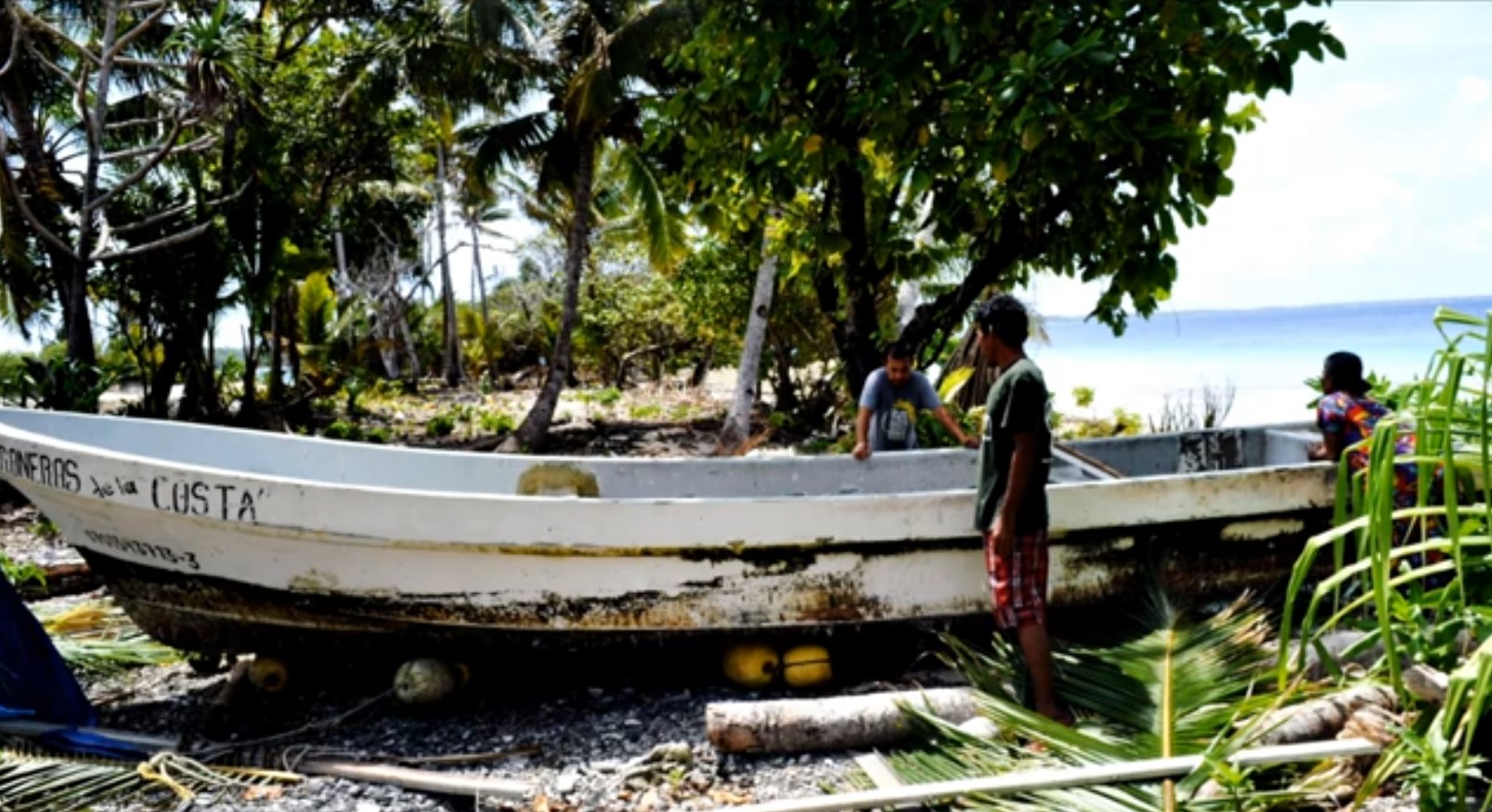
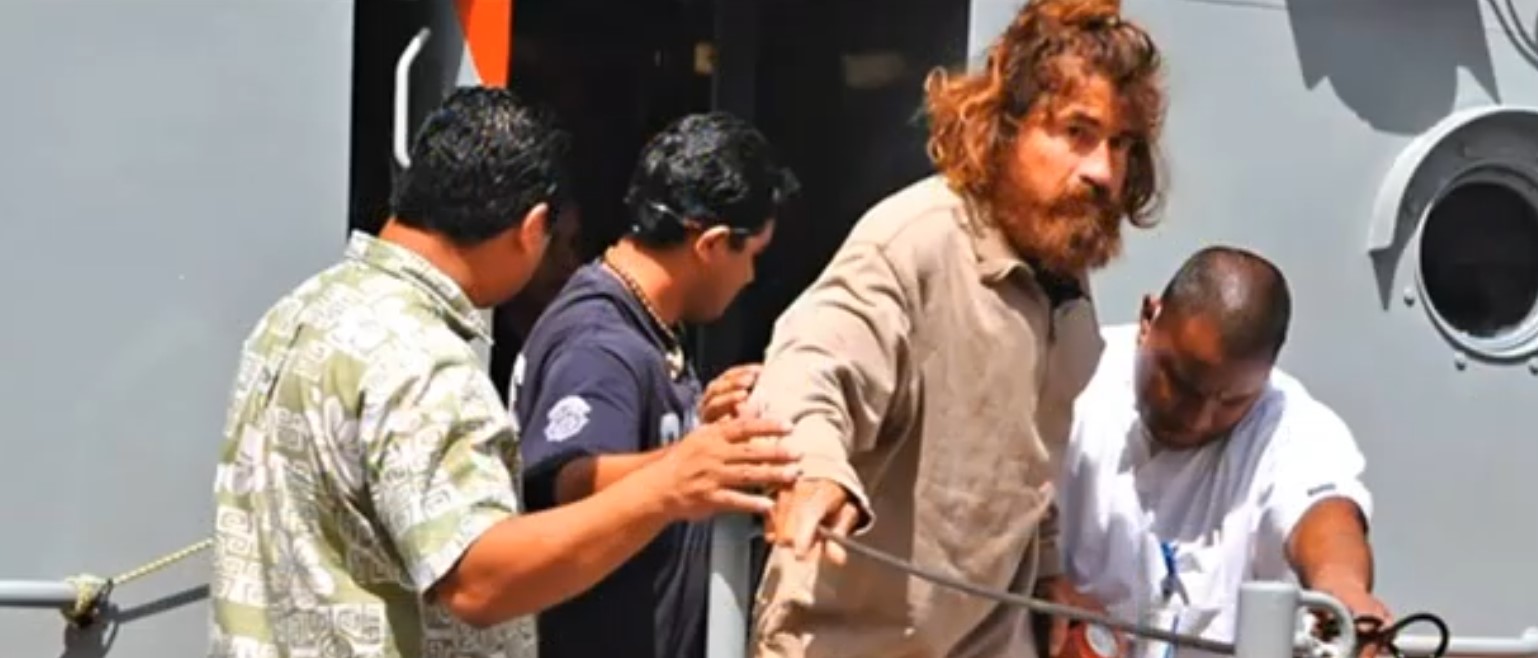
6. Controversies: Alvarenga's survival story faced skepticism and controversy due to its extraordinary nature. Some experts doubted the feasibility of his claims, questioning how he could have survived for so long without fresh water or proper nutrition. 7. Psychological Impact: Alvarenga's ordeal had significant psychological effects on him. He experienced post-traumatic stress disorder (PTSD) symptoms, including nightmares and anxiety, as a result of his harrowing experience at sea. 8. Book and Film: Alvarenga's story was documented in the book "438 Days: An Extraordinary True Story of Survival at Sea" written by Jonathan Franklin. The book was published in 2015. Additionally, a film adaptation titled "The Lost Sea" is currently in development. 9. Medical Examination: After his rescue, Alvarenga underwent medical examinations to assess his physical and mental health. Doctors found him severely dehydrated, malnourished, and suffering from various ailments, including kidney problems. 10. Life After Survival: Following his rescue, Alvarenga returned to El Salvador and faced numerous challenges in readjusting to normal life. He struggled with fame, coping with his traumatic experience, and dealing with the media attention surrounding his story.

Largest Wooden Ship
The Wyoming
The Wyoming was a six-masted schooner built in 1909 by the Percy & Small Shipyard in Bath, Maine, United States.
1. Dimensions: The Wyoming had an overall length of 450 feet (137 meters) and a beam (width) of 50 feet (15 meters). It had a depth of 30 feet (9 meters) and a draft of 30 feet (9 meters) when fully loaded. 2. Tonnage: The ship had a gross tonnage of 3,941 tons and a net tonnage of 3,759 tons. It was primarily used for transporting coal. 3. Construction: The Wyoming was constructed using iron fastenings and wooden planking. Its h...