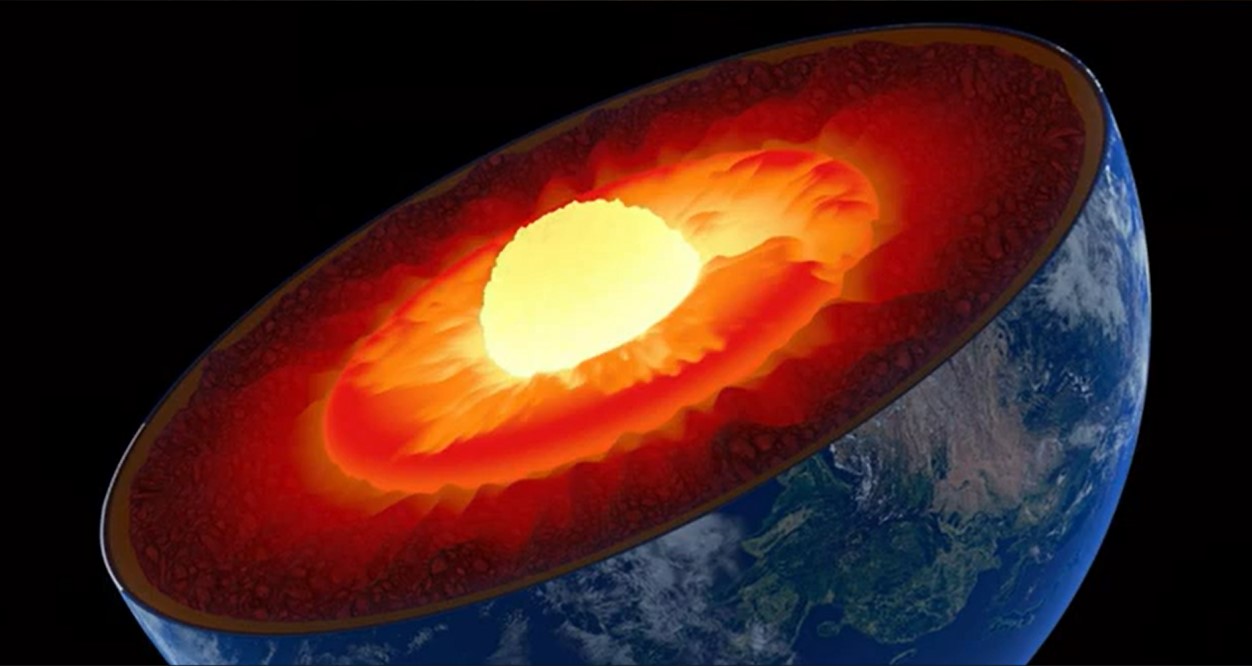
The Heat Beneath Our Feet
The holy grail of Global Energy
The term "holy grail of global energy" refers to the pursuit of an energy source or technology that can provide abundant, clean, and sustainable energy to meet the world's growing demand while minimizing environmental impact.
1. Clean and Renewable Energy: The holy grail of global energy aims to find a clean and renewable source of energy that can replace or reduce reliance on fossil fuels, which contribute to climate change and environmental degradation. This energy source should have minimal or zero greenhouse gas emissions and be abundant enough to sustain global energy needs indefinitely. 2. Energy Density: One key aspect of the holy grail is achieving high energy density. Energy density refers to the amount of energy stored in a given volume or mass of a fuel or energy source. A high energy density allows for a compact and efficient energy storage and delivery system, making it suitable for various applications, including transportation and large-scale electricity generation. 3. Long-Term Sustainability: The ideal energy solution should be sustainable in the long run. This means that it should have a low impact on natural resources, be able to replenish itself over time, and minimize waste production. Renewable energy sources like solar, wind, hydro, geothermal, and biomass are considered more sustainable than fossil fuels due to their ability to regenerate and their lower environmental impact. 4. Technological Advancements: Discovering the holy grail of global energy often requires significant technological advancements. It involves research and development in various fields, such as materials science, chemistry, physics, engineering, and energy storage. Breakthroughs in areas like advanced solar cells, energy storage technologies, fusion energy, and advanced biofuels could potentially lead to the realization of the holy grail.

5. Economic Viability: Apart from being environmentally friendly, the holy grail of global energy should also be economically viable. It should be cost-competitive or even cheaper than fossil fuel-based energy sources to drive widespread adoption and market penetration. Lowering the costs associated with production, storage, and infrastructure would be crucial for the successful implementation of a global energy solution. 6. International Collaboration: Achieving the holy grail of global energy requires global cooperation and collaboration among governments, research institutions, private industries, and international organizations. Sharing knowledge, pooling resources, and supporting research and development initiatives can accelerate progress towards finding sustainable and abundant energy solutions. 7. Energy Transition: The pursuit of the holy grail of global energy aligns with the ongoing global energy transition towards cleaner and more sustainable energy sources. Governments, businesses, and individuals worldwide are increasingly recognizing the importance of moving away from fossil fuels and transitioning towards renewable energy to address climate change, reduce pollution, and secure energy security for future generations. While the holy grail of global energy remains an ongoing endeavor, significant progress has been made in harnessing renewable energy sources and developing innovative energy technologies. Continued investments in research and development, international collaboration, and supportive policies can bring us closer to achieving this goal and ensuring a more sustainable energy future.
Moving Walkway
The Travelator
1. Cost: The Antilia is estimated to have cost around $2 billion to build, making it the most expensive house in the world. 2. Owner: The house belongs to Mukesh Ambani, an Indian business magnate and the chairman of Reliance Industries, one of India's largest conglomerates. 3. Architectural design: The Antilia...